
What happens when AI, design, and human connection collide?
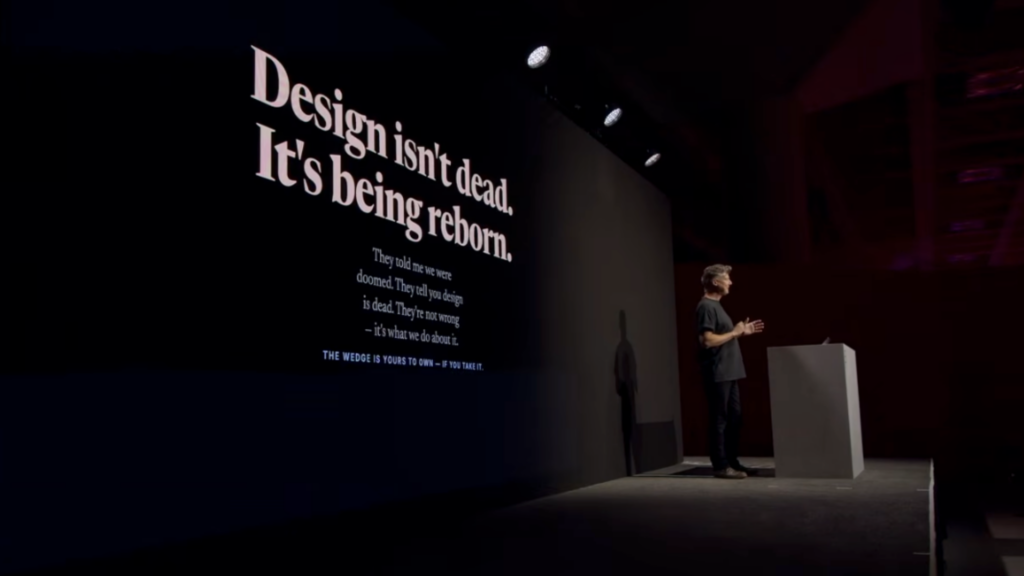
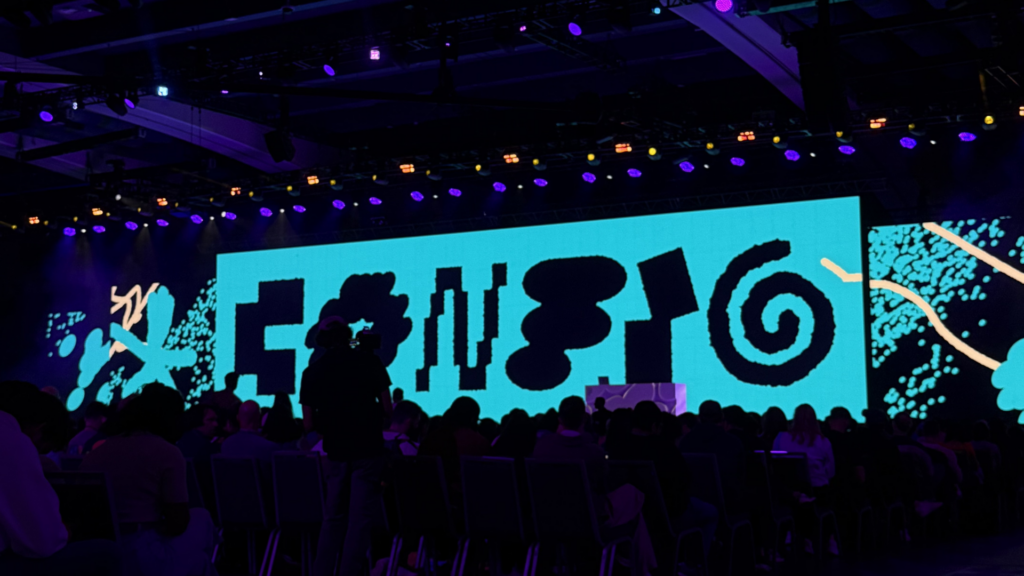
That was the question that kept surfacing after attending Figma’s Config 2026 last week. As a graphic designer, I spend a lot of time thinking about how visuals shape perception: how a logo can signal personality, how a color palette can create warmth, how a menu, website, or social post can help someone understand what a community or dining experience feels like before they ever walk through the door.
At Config, the conversation around design felt bigger than software. There were exciting conversations about AI, motion, creative workflows, and the evolving role of designers. But the larger takeaway was this: technology is giving creative teams new ways to move faster, explore more possibilities, and bring ideas to life. Our responsibility is to make sure those ideas still feel human.
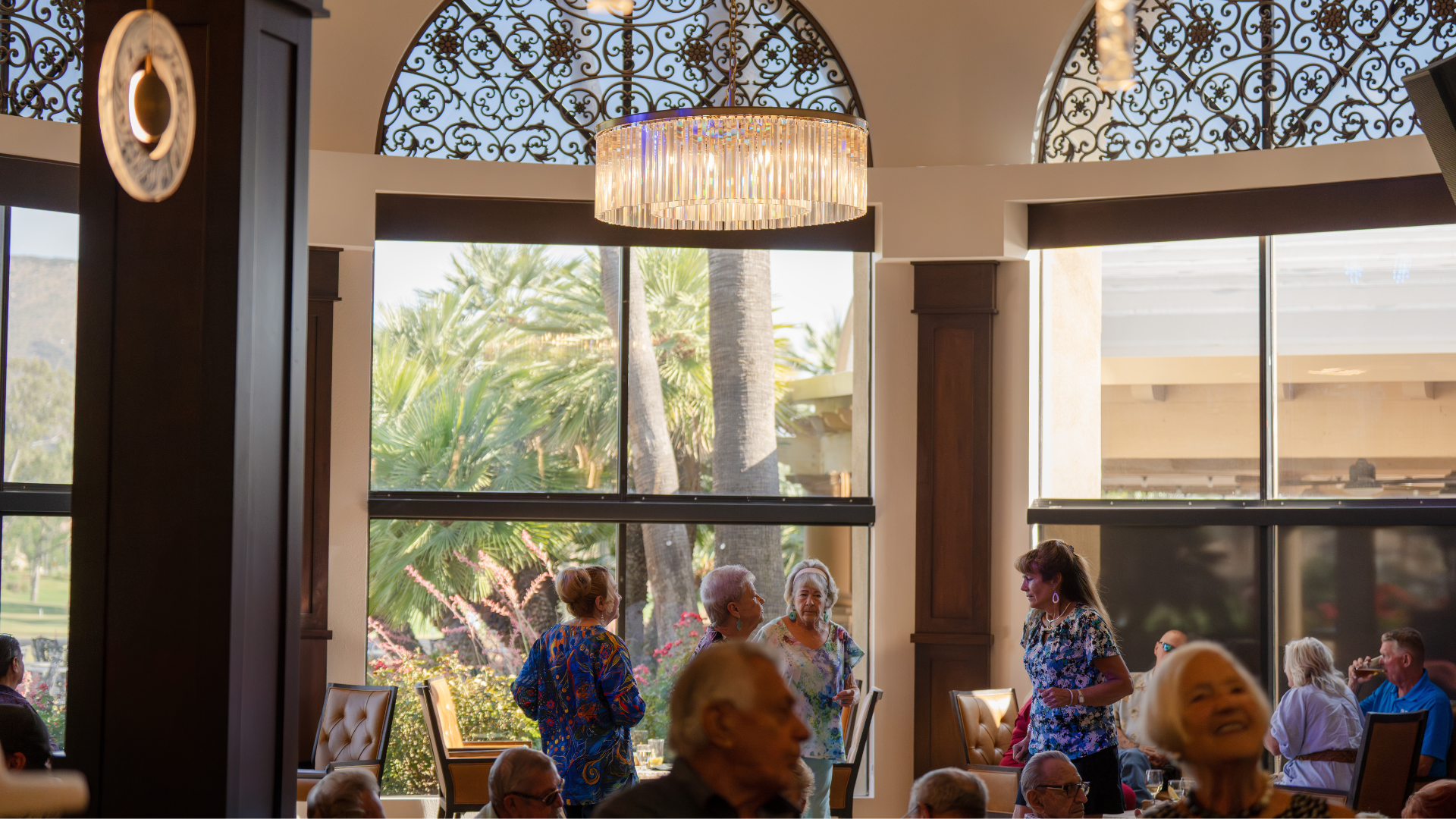
For The Hub, that balance matters deeply. We design for hospitality experiences in senior living, healthcare, and restaurants, where every touchpoint has the power to build trust, spark connection, and shape how people feel. Whether we are developing a new dining brand, creating marketing collateral, or supporting a community’s visual identity, the goal is never just to make something look good. The goal is to make an experience feel clear, cohesive, and meaningful.
Across industries, audiences are becoming more visually sophisticated. People can spot stock or poorly made AI images instantly. They are drawn to visuals that feel honest and human. That shift matters deeply in senior living, where families and future residents are making emotional decisions based largely on what they see online.
As we look toward 2026, communities that lean into visuals that reflect real experiences will be better positioned to connect in more meaningful ways.
AI Is Expanding the Creative Process
One of the most exciting parts of Config was seeing how AI is continuing to shape the way designers work. AI-powered design tools are making it easier to move from idea to execution more quickly by helping generate, refine, and iterate on concepts through prompts and automated workflows.
For marketing and storytelling work, that is incredibly exciting.
When we are building a brand system for a senior living community, a restaurant concept, or a healthcare dining environment, there are often many directions to explore. AI tools can help us test visual ideas faster, generate early concepts, and streamline repetitive tasks. That creates more room for strategic thinking: What story are we trying to tell? What emotion should this evoke? How will this translate across signage, menus, social content, digital ads, websites, and on-site experiences?
The value of AI is not that it replaces the designer. It gives the designer more space to think, refine, and connect the creative work back to the people it serves.
Storytelling Still Starts With People
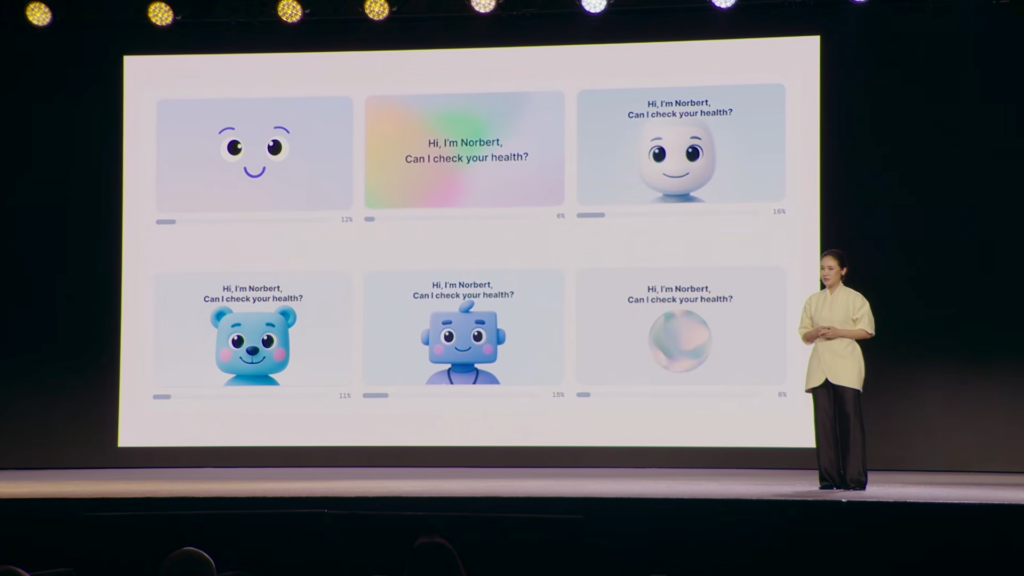
One session that stood out was Anna Oh’s “Beyond Design Systems: Designing for Robots and Seniors.” Her talk explored how physical AI is being used in senior care environments and introduced the idea of the “Human System,” a framework built on recognition, perception, expression, and continuity.
That idea felt especially relevant to our work at The Hub.
In senior living and healthcare, successful innovation is not just about what technology can do. It is about whether people trust it, understand it, and feel respected by it. A robot, kiosk, app, ordering platform, or digital touchpoint can be impressive, but it only becomes meaningful when it supports dignity, familiarity, and ease.
The same is true for branding and marketing.
A visual identity is not just a logo. A website is not just a digital brochure. A campaign is not just a set of deliverables. Each one is part of a larger human system: the way residents experience a community, the way families build confidence in a decision, the way patients and guests navigate a healthcare environment, and the way diners connect with a restaurant concept.
That is why The Hub’s Marketing & Storytelling work is so important. We help communities and hospitality teams define who they are, express it clearly, and carry that story across every channel. The more advanced our tools become, the more important that clarity becomes.
From Visual Systems to Hospitality Experiences
At The Hub, design is never isolated from experience. A dining venue brand has to work on a menu, but it also has to make sense in the space. A campaign has to drive engagement, but it also has to reflect the real personality of the community. A website has to look polished, but it also has to help families find answers and feel confident taking the next step.
In senior living, hospitality is about creating spaces and experiences that feel welcoming, personal, and supportive. In healthcare, it is about reducing friction and making environments feel more comfortable for patients, visitors, and staff. In restaurants, it is about building memorable brands that people want to return to, share, and talk about.
AI can help accelerate the work behind those experiences. It can support early creative exploration, campaign concepting, visual system development, and faster iteration across channels. But the final measure of success is not speed alone. It is whether the work helps people feel something.
- Does the brand feel trustworthy?
- Does the dining concept match the experience?
- Is the photography authentic?
- Is the website easy to navigate?
Those are the questions that keep human-centered design at the core of what we do.
The Future Is Faster, But It Still Needs Intention
Designers are no longer only creating static interfaces, brand assets, or visual systems. We are shaping experiences that are intelligent, adaptive, and deeply connected to human needs. We are learning how to collaborate with new tools while still protecting the emotional intelligence, empathy, and intention that good design requires.
For hospitality-driven industries, that matters.
Senior living communities, healthcare systems, and restaurants all depend on trust. They depend on moments that feel thoughtful, consistent, and personal. Marketing and storytelling help make those moments visible. Design helps make them understandable. Brand helps make them memorable.
AI may help us move faster from idea to execution, but human-centered design helps us move in the right direction.
Config 2026 was energizing not only because of what is possible, but because it reinforced why thoughtful design matters. The future of design will be shaped by new tools, but it will be defined by how well we use them to serve people.