
For a long time, it was common to treat design, construction, procurement, activation, branding, and marketing as separate workstreams. One firm designed the space. Another built it. Someone else procured the equipment. Dining spaces were often never given an identity at all.
That approach worked when expectations were simpler, timelines were longer, and the consequences of misalignment were easier to absorb. But that is no longer the environment operators work in today.
At The Hub, we see these functions as one connected ecosystem of guest experience. The strongest spaces are the ones where the menu, the kitchen, the front of house, the story, and the equipment all work together from the beginning.
I look at The Hub as the one number to call — a concierge service for everything guest experience.
We tailor our services based on client needs, but the common thread across successful projects is alignment early. The earlier that alignment happens, the more efficient the process becomes, and the more cohesive the end result is.
Integrated Hospitality Strategy from Conception to Opening
What has changed most is not just guest expectations. It is the complexity of what operators are being asked to deliver.
Operators today are balancing higher expectations, tighter labor markets, rising costs, and a demand for experiences that feel both elevated and deeply personal. That combination leaves very little room for disjointed decision-making.
The old model assumed decisions could be made one at a time and stitched together later. But operators do not always know what they will need to think about until much later, and by then the cost of changing course is much higher.
That is why integrated strategy saves time and makes better use of the budget and energy. There is real value in walking through the full life cycle together so that design decisions, operational realities, guest expectations, and brand aspirations are understood as one conversation.
When that conversation happens upfront, projects stop reacting to problems and start preventing them. That shift alone can define whether a space struggles or succeeds.
Successful Foodservice Design Starts with a Menu
At The Hub, our philosophy is simple: all design starts with the menu.
Before anyone sketches the kitchen, chooses finishes, names a venue, or talks about the experience, we want to learn what will be served. Because if you do not start there, you are building backward.
Too many projects begin with aesthetics. They begin with what something should look like instead of what it needs to do. And that single misstep carries through the entire life of the operation.
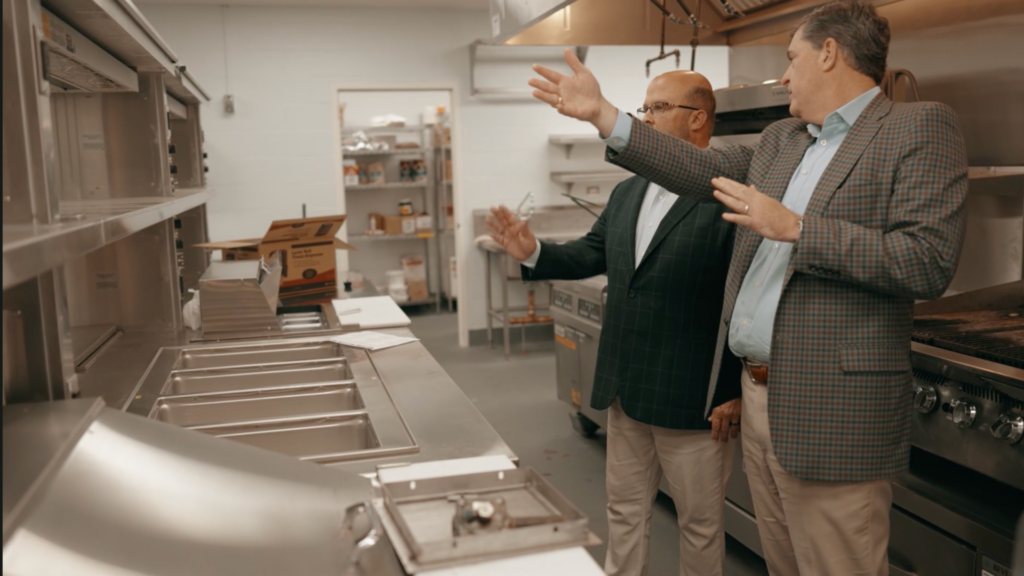
For example, if you want to serve sushi, there is specific equipment you must have in place to hold proteins correctly and legally. Without it, the concept does not work no matter how beautiful the room is. That same logic applies more broadly to every dining environment. The worst thing we can do is build a kitchen that does not have the equipment the menu actually requires.
Decide what you want to be before you become it. Decide what you want to serve before you build it. And include people who understand how to do it before you do it.
Too often, the industry works the other way around. People copy what they see competitors building, or they rush into a trend without asking whether it fits their customer, their market, or their long-term operating model.
That is where projects start to drift. Not because the idea was wrong, but because the intent was never clearly defined.
The next phase of this industry is going to belong to the operators who use data, intent, and clarity to shape what they build.
Why Back-of-House and Front-of-House Must Work Together
One of the biggest disconnects I see is when the front of house evolves faster than the back of house.
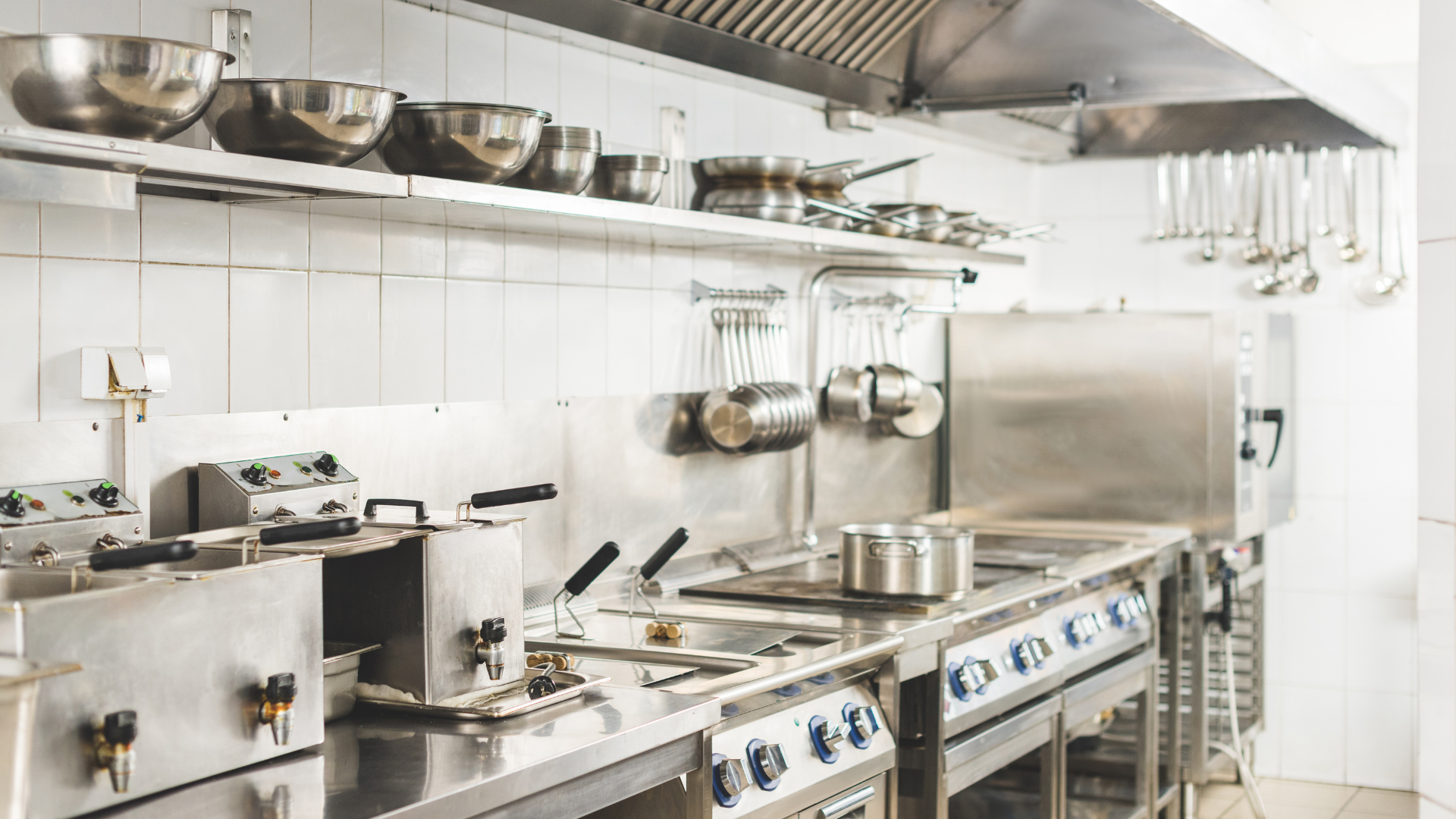
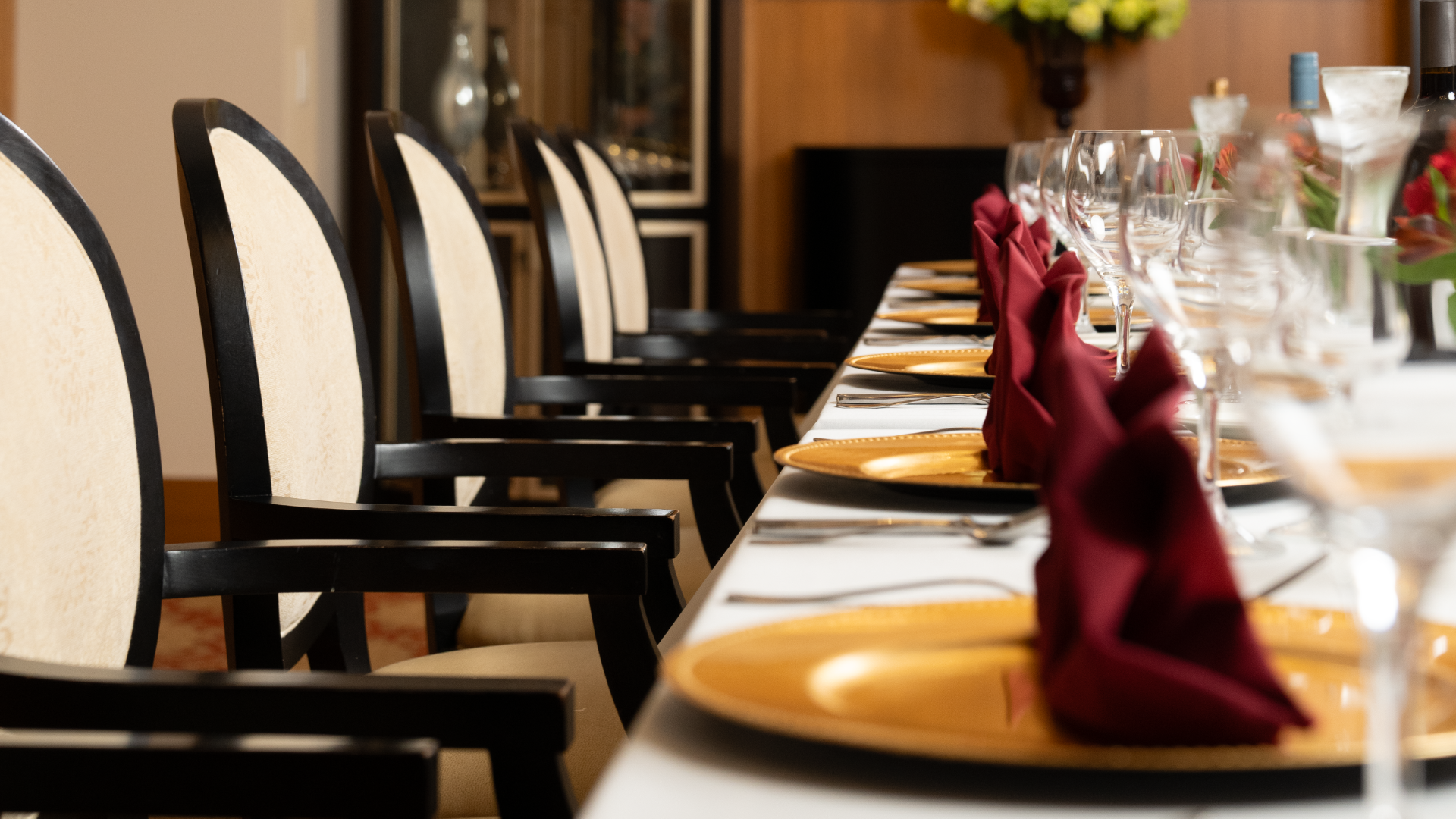
A client wants a more beautiful dining room or to move to a more restaurant-style menu. They want a space that looks more current, more branded, more elevated. And all of that can be the right move, but if the kitchen does not change with it, the experience usually breaks down.
That breakdown shows up in ticket times, food temperature, labor, and turnover. A poorly designed kitchen makes every job harder than it needs to be, and when the work is harder than it should be, service, food quality, and overall guest experience drops.
We open new buildings every day that cost way more to operate than they should because they were poorly designed.
This is especially relevant right now because the industry is no longer a bulk-prep, fixed-menu business. We are increasingly an a la carte business. We cook to order, promising variety and customization.
But many of the kitchens in legacy communities and healthcare environments were never designed to support that output. So, the organization ends up spending more money and more labor to force a space to do something it was never designed to do.
Today, we have the technology to turn almost any space into a modern kitchen. The bigger challenge will be helping operations evolve with the industry.
The Future of Foodservice Is More Flexible, Not More Complicated
Throughout my career, I’ve seen a number of trends come and go. A recent trend has been to create cafés and bistros alongside traditional dining rooms, leading to duplicated meal periods instead of variety.
At some point, we decided we needed more: more venues, more meal formats, more destinations. But more is not always better. In many cases, what operators actually need is not another concept, but a smarter one.
For example, if a dining room seats 100 people but only serves 28 at breakfast, and there is a coffee shop down the hall, those two experiences could likely be rolled into one. If you have the right equipment, the right layout, and the right concept, you can deliver a more seamless experience with less labor, fewer moving parts, and more flexibility.
In the world of retail spaces, senior living, hospitals, and restaurants, less is more.
That philosophy is not about doing less for the guest. It is about removing unnecessary complexity so teams can execute at a higher level, more consistently.
In current projects, we look for equipment that can do more, spaces that can serve multiple mealtimes, and layouts that are intentionally designed for flexibility. The future is about designing smarter so that operators can do much more than they can today.
How Brand Identity Shapes Guest Experience Long Before They Arrive
I believe deeply in storytelling. I believe in naming spaces well, giving them narrative, helping clients understand how a concept should make someone feel. Then, we celebrate that success through digital content, collateral, and marketing. But I also think branding has to come at the right moment.
Because branding, at its core, is not decoration; it is a commitment. If the operation cannot deliver on that commitment, the brand is damaged from the moment it launches.
That is why we consider storytelling through the entire design and build process, but we wait until the right moment before developing a brand identity. We conduct focus groups, do demographic research, study the menu, and truly understand the goal of a space before diving into naming and concept development.
You can’t market in a silo, build in a silo, or operate in a silo if you want it all to be experienced the way you envisioned it.
The reason certain hospitality experiences feel so recognizable is not just because the marketing is good. It is because the operation, the product, the service, and the brand were built together. That kind of consistency does not happen by accident, but is built deliberately and protected through alignment at every stage.
When Opening a Venue, Alignment Can Make or Break the Project
What makes The Hub different is that we have built a team of specialists who each bring deep expertise in their discipline, whether that is design, branding, procurement, construction, activation, or operations.
The ecosystem is too complex now to fake it with one generalist. To help clients think differently about the future, we bring real expertise at every point in the process.
The spaces that will thrive in the next era of hospitality will be the ones that step back and look at the full guest experience. Not just the venue name or the dining room design, but the full operation and promise that is being made to customers.
That level of clarity is not easy to achieve, but it is becoming non-negotiable. That is where the future of hospitality is headed, and that is why The Hub was built.