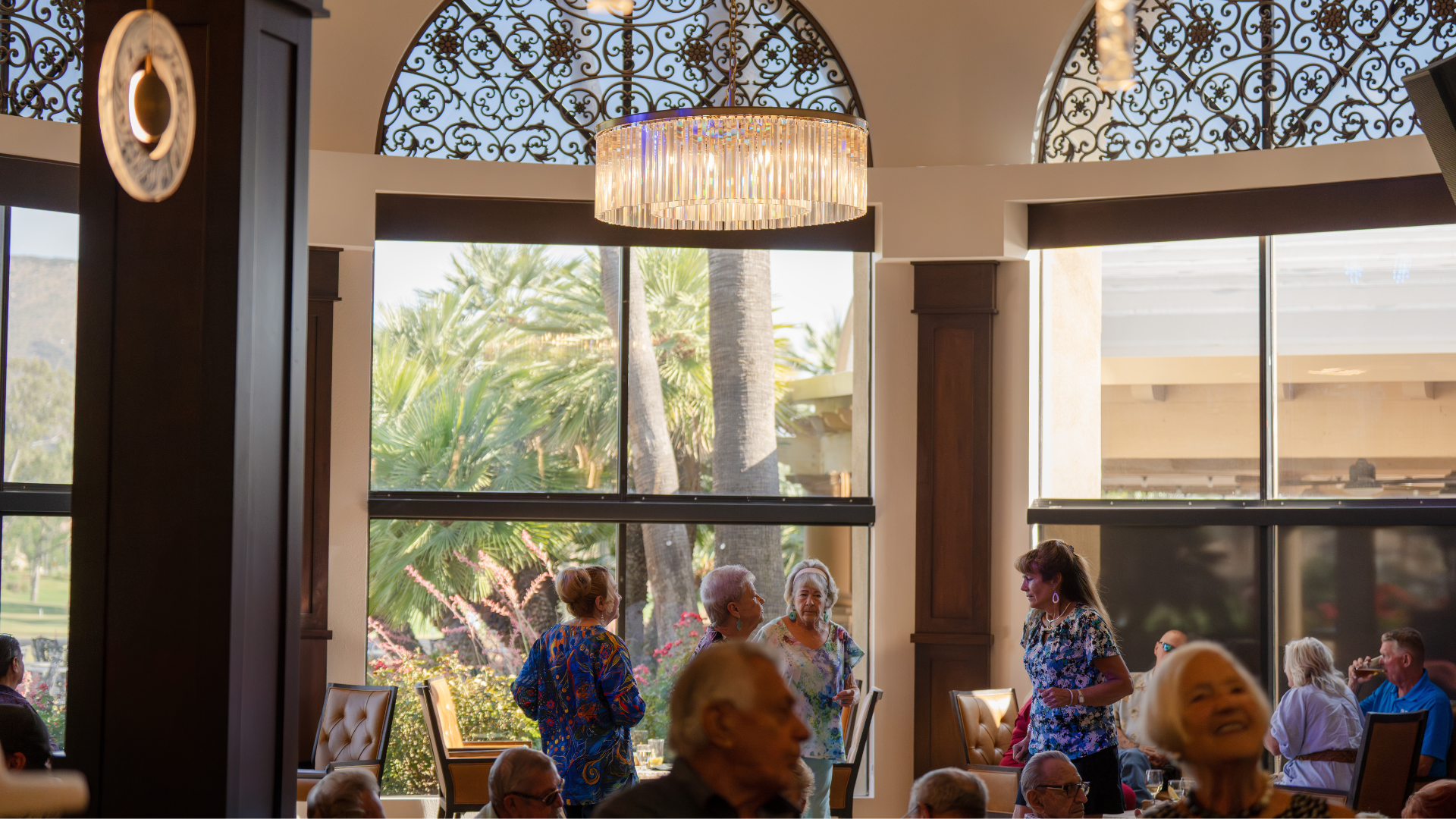

When a dining venue is newly designed or refreshed, it’s easy to assume the job is done once the construction wraps and the furniture is in place. But in my experience, that’s exactly where many operators accidentally miss the mark.
Activation Services are what take a dining venue from “finished” to fully realized. It’s the final layer that turns a functional space into a memorable restaurant experience; the kind that looks intentional, feels elevated, and supports real-world operations from day one.
It’s those finishing touches. It’s the icing on the cake.
What are Activation Services?
I describe Activation Services as everything you need to open (or reopen) a dining venue once the space itself has been designed.
It’s the often-overlooked layer that completes the full guest experience, especially everything guests will see, touch, and interact with.
Activation Services can include:
- Tabletop smallwares: china, silverware, glassware
- Linens: napkins, table linens
- Front-of-house experience details: menu templates, menu jackets/covers
- Team presentation: server uniforms (and how they show up in the space)
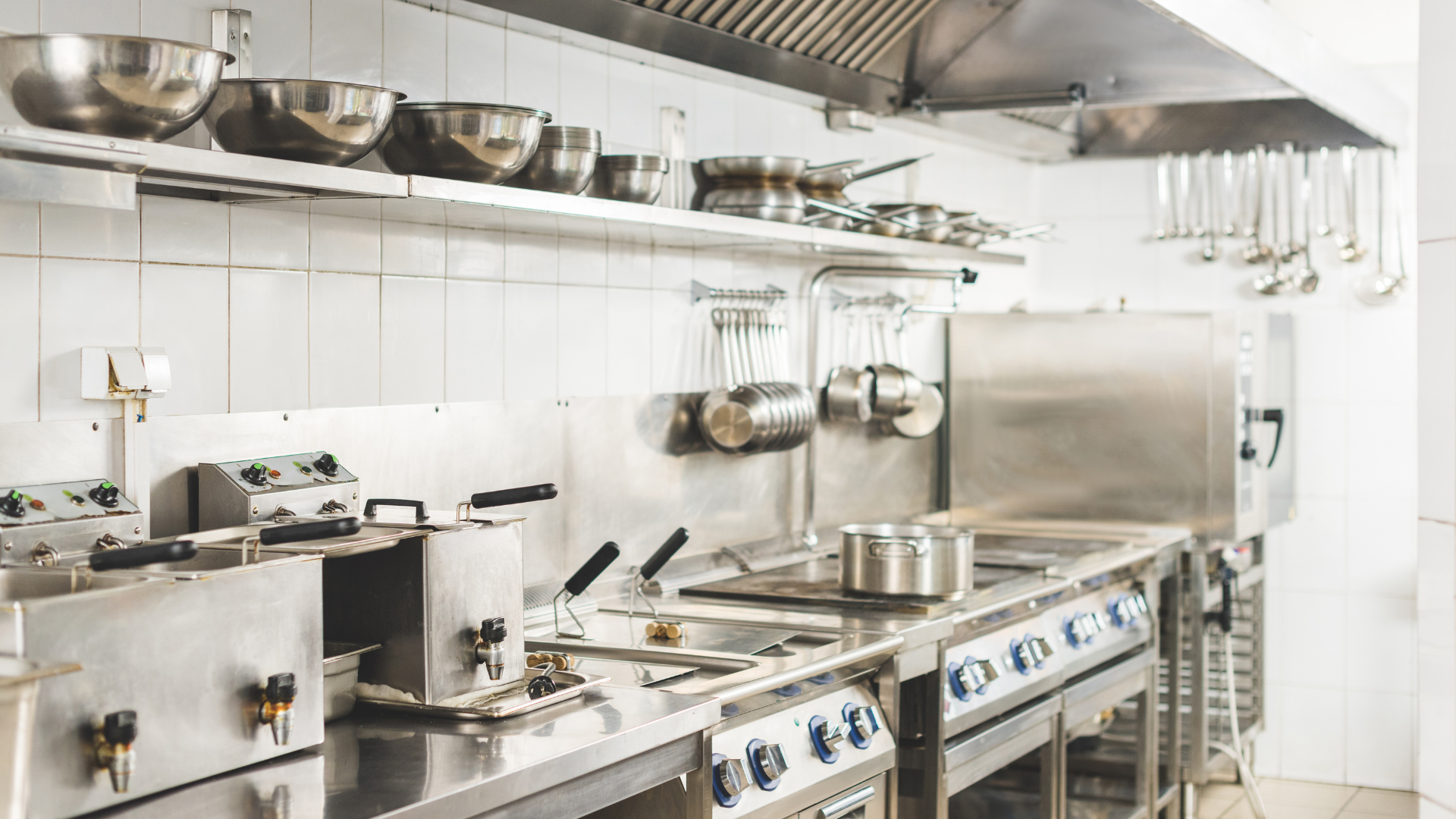
- Back-of-house essentials: the operational tools that make execution possible
- Branded “visual impact” items: paper goods and details that carry the identity and help create a restaurant experience
Why Activation Services Matter More Than Ever
Here’s the truth: people eat with their eyes long before they taste anything.
When a guest sits down, they’re already forming impressions from the details:
- The menu cover in their hands
- The uniform and appearance of the server
- The shape and feel of the glass
- The weight of a steak knife
- The way the tabletop is set and styled
Even in simpler environments like a grab-and-go or micro market, the display is what catches the eye first. Those details create a sense of care and credibility that carries directly into how guests perceive the food.
People eat with their eyes before they have an opportunity to taste the food.

The Most Common Mistake: Treating Smallwares Like an Afterthought
I see it constantly: teams spend major time, money, and energy creating a beautiful space, and then the tabletop falls flat. Plates get chosen late. Pieces don’t coordinate. The experience loses momentum right at the finish line.
What I encourage operators to do is focus on one important principle:
Create the pop
The “pop” is an eye-catching element that pulls someone into the space and makes the experience feel intentional. It could be:
- a signature bread plate
- textured or colored glassware
- a napkin design that ties into the brand
- a fun candle holder or lamp on the table
Those touches are the things guests remember, even if they don’t say it out loud.
Create the pop. Create that one eye-catching thing that draws you into the dining room and the space.
Consequences of a Disorganized Tabletop
Guests read the tabletop like a signal.
When they see mismatched silverware patterns, random china combinations, or elements that don’t feel intentional, it can trigger an uncomfortable question:
“Where else are they cutting corners?”
And that perception extends beyond aesthetics. It becomes a judgment about cleanliness, professionalism, and what might be happening behind the scenes.
The same idea applies to uniforms. They don’t need to be fancy, but they do need to look purposeful. Presentation sets tone.
I’ve even compared it to this: if a medical professional walked in looking unprepared or unprofessional, you’d hesitate to trust them. Dining works the same way; people evaluate trust through signals.
And in senior living and healthcare especially, the operational details matter even more. A centerpiece that’s too big, too tall, or poorly scaled can literally disrupt the meal: guests can’t see each other, tables feel cramped, and what was meant to be décor becomes a barrier.

How The Hub Activates Dining Spaces
1) Start with goals + concept clarity
We begin with a conversation around:
- What kind of dining venue is this?
- What experience are we trying to create?
- What’s the aesthetic direction of the space?
- What are the budget realities?
2) Curate multiple lookbooks
We develop multiple options – often along a good / better / best spectrum – so clients can see what’s possible and choose what aligns with the venue’s vision and budget.
3) Get hands-on with samples
You can’t select everything from a picture. Guests will touch these items every day, so we send samples so the client team can feel the weight, texture, and durability before committing.
4) Involve the chefs early
This is one of the most important parts of how we work. We want the chef involved because tabletop and equipment decisions should connect directly to the menu and execution.
5) Build a smart, multifunctional kit
We’re always looking for pieces that can be used across multiple menu items, so teams aren’t storing and maintaining endless one-off items.
6) Support through fulfillment and beyond opening day
A huge gap I see in the industry is what happens after the order is placed.
Many vendors deliver pallets and disappear.
Instead, we can stay involved: helping coordinate delivery details, organizing by venue/area when needed, and then checking back in after opening – often at 30 days and 60 days – to see what you truly need once you’re operating.
And if the venue evolves (for example, adding catering that wasn’t originally planned), we can help fill those gaps too.
Don’t Let Your Story Stop at the Door
Guests may come in because they love your logo, your sign, your concept, or your menu. Activation Services are how you keep building on that promise, right down to what they hold in their hands and what they feel at the table.
Use smallwares to create the pop and cohesion that creates a restaurant experience that feels complete and memorable.